Are you wondering what everyday life in a Downtown Jersey City condo really feels like? You might be picturing skyline views, a quick hop to Manhattan, and coffee shops right downstairs. If you value walkability, transit options, and modern amenities, this neighborhood can fit your routine and your goals. In this guide, you’ll learn what day-to-day living looks like, from commuting and errands to parks, fees, and building choices. Let’s dive in.
Why Downtown Jersey City works
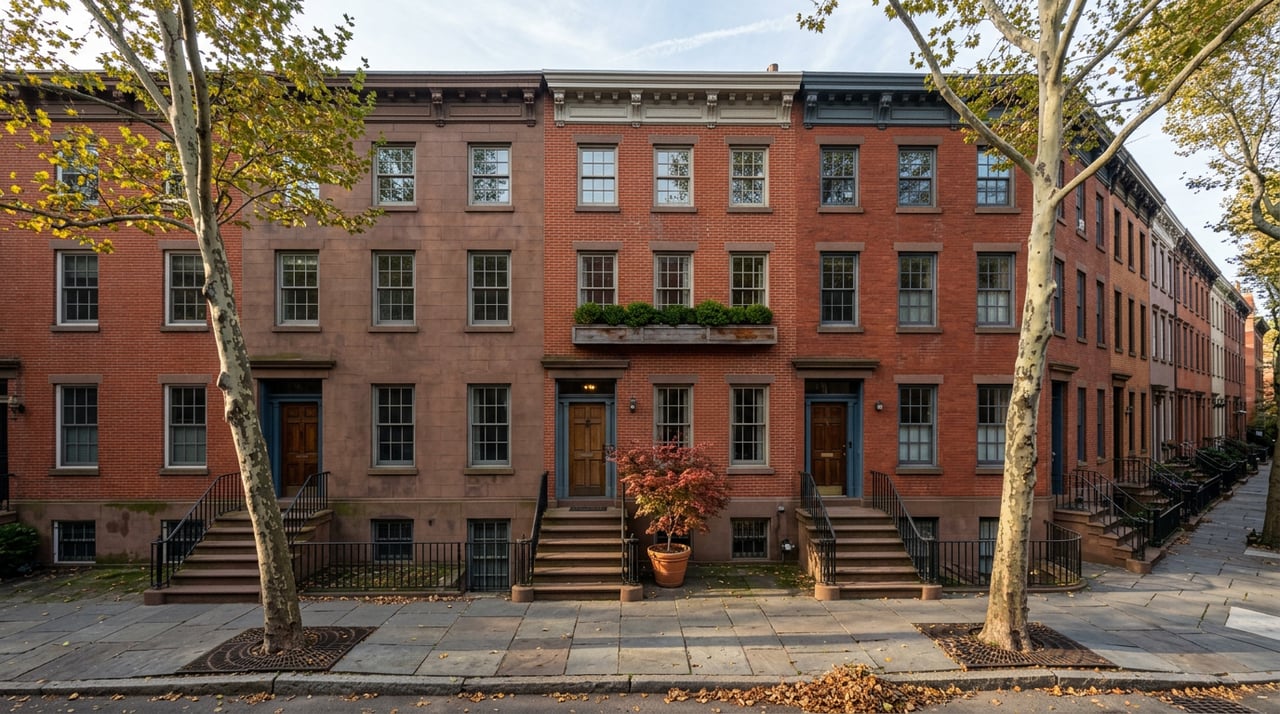
Downtown stretches along the Hudson waterfront and into historic blocks near Hamilton Park and Van Vorst Park. You’ll see glass high-rises near Exchange Place and Newport, and tree-lined streets with boutique buildings around the parks. Sidewalks stay active, especially around Grove Street and the waterfront walkway.
The draw is convenience. Many residents walk to shops, gyms, playgrounds, and the PATH. Restaurants cluster near Grove Street, with more choices in Paulus Hook and along the river. If you like a city vibe with neighborhood parks, this area delivers a balanced lifestyle.
Commute options and tradeoffs
Getting to Manhattan is simple, and you have choices. Your best option depends on your destination, budget, and tolerance for crowds.
PATH to Manhattan
The PATH is the core commute for most residents, with stations at Exchange Place, Grove Street, and Newport. Service runs 24/7 with frequent trains to the World Trade Center and 33rd Street. Typical door-to-door times range from about 10 to 35 minutes depending on your origin and transfer needs. You can check routes and schedules on the Port Authority’s PATH rider information page.
NY Waterway ferries
Ferries from Paulus Hook and Exchange Place offer quick, comfortable rides to midtown and Wall Street. They can be faster during peak hours but usually cost more per trip. Learn routes and times on the NY Waterway site.
Light rail, buses, biking, and driving
The Hudson-Bergen Light Rail connects you north and south through Hudson County and links to Hoboken and other neighborhoods. See options on NJ Transit. Many residents also bike along the waterfront paths or use scooters for short trips. Driving into Manhattan is possible, but tolls, congestion, and parking costs make it less common for weekday commutes.
Condo living: amenities and conveniences
Most larger towers offer a full service experience. Common features include 24/7 doorman or concierge, secure package rooms, fitness centers, resident lounges, and rooftop terraces with skyline views. In bigger communities, you might find pools, children’s playrooms, co-working spaces, bike rooms, and pet amenities.
Technology is part of daily life. Many buildings have keyless entry, package lockers, and high-speed internet infrastructure. Newer developments may include EV charging and in‑unit laundry, but details vary by building. If you need parking, check availability and fees early, since spaces can be limited.
Everyday errands, dining, and downtime
If you like to walk, this neighborhood makes daily errands simple. Around Grove Street, Exchange Place, and Newport, you’ll find grocery stores, specialty markets, coffee, and takeout within a few blocks. The larger Newport area includes an urban Whole Foods along with national and local options.
Parks and green space anchor weekends and evenings. Liberty State Park offers sweeping waterfront views with room to run, cycle, and relax. You can explore more on the New Jersey Department of Environmental Protection’s Liberty State Park overview. Closer to home, Hamilton Park and Van Vorst Park host playgrounds and seasonal events. The Hudson River Waterfront Walkway is ideal for sunset jogs or stroller walks.
What families should know
Young families often choose buildings near parks, daycare, and transit. Many condo communities include playrooms and outdoor courtyards, which can help offset smaller private spaces. Larger multi-bedroom units exist in both waterfront towers and boutique park-side buildings, but they are less common and may carry a premium.
For schools, the district offers public options along with magnet and charter programs. School quality varies by program, and families typically review district resources and third-party information when comparing choices. Start with the Jersey City Public Schools district site and the New Jersey Department of Education for official overviews.
Budgeting: prices, fees, and value
Condos downtown tend to be priced above the citywide median due to new construction, amenities, and waterfront access. Entry-level studios and some one-bedrooms can list under $400,000 in select buildings or units. River-view residences, new construction, and larger floor plans often exceed $700,000 to over $1 million.
If you are renting, one-bedroom units in core locations commonly land in the mid $2,000s to mid $3,000s, with higher pricing in amenity-rich or riverfront buildings. For owners, monthly HOA fees vary widely and reflect staffing, amenities, and what utilities are included. Property taxes are a meaningful part of monthly costs, so include taxes, HOA, and parking in your affordability calculation.
Choosing the right building
For PATH-first commuters
If your destination is the World Trade Center or midtown, look near Exchange Place, Grove Street, or Newport. A shorter walk to the station can shave minutes off your day and reduce weather delays.
For ferry-friendly routines
If you value comfort and direct midtown or Wall Street access, focus on Paulus Hook and Exchange Place. Compare ferry schedules and costs to see if the premium fits your budget.
For remote or hybrid workers
Look for larger one-bedrooms with dens or true two-bedroom layouts. Building lounges, conference rooms, and reliable high-speed internet can make a big difference.
For pet owners
Many buildings allow pets and include dog runs or grooming stations. Rules vary by community, so review size and breed policies and any pet fees before you fall in love with a unit.
For investors and long-term planners
Ask about rental policies, lease minimums, and short-term rental restrictions. Lenders often review association financials and owner-occupancy levels, which matters for both financing and future resale.
Pro tips for tours and offers
- Time your tour around rush hour to gauge elevator waits, lobby flow, and noise.
- Ask what is included in the HOA and confirm staffing hours, package handling, and amenity access policies.
- Check parking availability, monthly pricing, and waitlists if you plan to own a car.
- Review recent association budgets and reserve studies to understand future fee risk.
- Map your daily walk to transit, parks, grocery, and daycare to confirm convenience.
- If views matter, visit at different times of day to see light and sightlines.
Local resources you will use
- Review PATH routes and service on the Port Authority’s PATH rider information page.
- Compare ferry options on NY Waterway.
- Plan local connections on NJ Transit.
- Explore parks and programs through the City of Jersey City and the Liberty State Park overview.
When you want a clear view of which buildings fit your life, a local guide helps you focus fast. If you are weighing tradeoffs like HOA fees, parking, transit, and floor plans, a consultation can save time and reduce surprises. To tour condos and compare options with a trusted, high-touch advisor, connect with Brenda Wolfe.
FAQs
How long is the commute from Downtown Jersey City to Manhattan?
- PATH trips can be under 15 minutes to the World Trade Center from Exchange Place, and about 20 to 35 minutes to midtown depending on transfers and walking time; ferries can be faster to select terminals but cost more.
Are Downtown Jersey City condo buildings family-friendly?
- Many offer playrooms, lounges, and quick access to parks; larger multi-bedroom units exist but are less common, so prioritize layouts, storage, and proximity to Hamilton Park or Van Vorst Park.
What amenities and fees should I expect in condo towers?
- Common features include doorman or concierge, gyms, package rooms, rooftops, and sometimes pools; HOA fees vary by building size and services, so review what is included and the association budget.
How do ferries compare to the PATH for daily commuting?
- Ferries often offer a quicker, more comfortable ride to midtown and Wall Street but at a higher per-trip cost; PATH is usually the most cost-effective and runs 24/7 with frequent service.
What should I know about schools if I am moving with kids?
- The district offers public, magnet, and charter options, and program quality varies; start with the Jersey City Public Schools and the New Jersey Department of Education to explore programs, enrollment, and resources.