Somewhere in Hudson County this fall, a condo board is finalizing a letter that opens with a number most owners never budgeted for. Special assessments landing on New Jersey condo owners in 2026 range from roughly $15,000 on the low end to well over $100,000 per unit on the high end, and they keep showing up in exactly the kind of buildings that used to advertise a modest monthly fee as the reason to buy. Two pieces of state legislation explain why, and the practical effect for anyone comparing Downtown Jersey City or Hoboken condo buildings right now is that the HOA fee printed on a listing sheet tells you far less than the reserve study sitting behind it.
Two Laws, Eighteen Months Apart
New Jersey had no statewide reserve study requirement for condominiums until Governor Murphy signed S2760 in January 2024, part of a wave of reserve and inspection reforms states adopted after the 2021 Surfside condominium collapse in Florida. The law amended the Planned Real Estate Development Full Disclosure Act, the statute that governs condos, co-ops, and homeowners associations statewide, to require a capital reserve study for any community with more than $25,000 in shared capital assets. That threshold catches far more buildings than it sounds like it should. A 24-unit condo with a shared boiler and a parking lot qualifies the same as a 400-home development. S2760 also introduced structural inspections for what the law calls covered buildings: condos or co-ops with a load-bearing system built from concrete, masonry, steel, or a similar hybrid, including buildings with podium decks. Many Downtown Jersey City waterfront towers from the early 2000s fall into that category and are now old enough to trigger the first inspection window, a detail the NJ Department of Community Affairs FAQ spells out in its breakdown of which buildings qualify.
The bigger shift came eighteen months later. S3992, effective August 21, 2025, eliminated the old glide path that let underfunded associations catch up on their own schedule with no obligation to tell anyone. In its place, the amended law requires every reserve study to include a baseline funding plan, a 30-year projection that can never let the reserve balance drop below zero. Associations that cannot hit that standard immediately may fund at 85 percent of the recommended level for up to five years, but only if they send owners a bold-font notice stating the year and dollar amount of the special assessment or loan that will be needed to close the gap, and give that same notice to any buyer before closing.
That last part is the piece that changes condo shopping. A building that used to hide a thin reserve behind a low monthly fee now has to put the number in writing.
| Before S3992 | After S3992 | |
|---|---|---|
| Funding standard | Gradual catch-up on the association's own timeline | 30-year plan that can never project below zero |
| Underfunded option | No disclosure requirement | 85% funding allowed for five years, with a mandatory bold-font notice |
| What a buyer sees | A reserve study, if one exists | The same study plus a written notice naming the year and amount of the coming assessment |
What the Six-Figure Assessments Are Actually Paying For
The dollar range moving through northern New Jersey buildings this year traces back to the structural inspections S2760 required. Roofs, facades, garage decks, and elevator systems in older buildings are reaching the end of their useful life at the same time construction costs have climbed, and a project that would have run $500,000 a few years ago can exceed $1 million today. When an association's reserve account holds a fraction of that number, the gap becomes a special assessment rather than a routine budget line. Waterfront exposure adds another variable. Buildings along the Hudson River corridor deal with salt air and weather that accelerate wear on the exact components the structural inspection covers, which helps explain why the assessments moving through Hudson County right now skew toward the higher end of the range.
The Document That Decides Who Pays
Once a Downtown Jersey City or Hoboken condo is under contract, the certificate of unpaid assessments becomes the document that matters most. Under New Jersey's Condominium Act, the association has to issue this certificate within 10 days of a written request, and title companies typically order it the moment a contract is signed. It confirms exactly what is owed on the unit and settles those balances at closing. A board that is slow to produce it can push a closing date back by that same window, which matters more than it sounds like it should when a mortgage rate lock or a moving date is riding on the calendar.
Timing also decides who owns an assessment that has not been approved yet. A buyer who closes the week before a board votes on a new special assessment inherits it. A buyer who closes the week after, with the right language in the contract, can walk in with that obligation already resolved. That gap can decide whether a buyer takes on a five-figure bill in month two or avoids it entirely.
Reading a Building Through This Lens
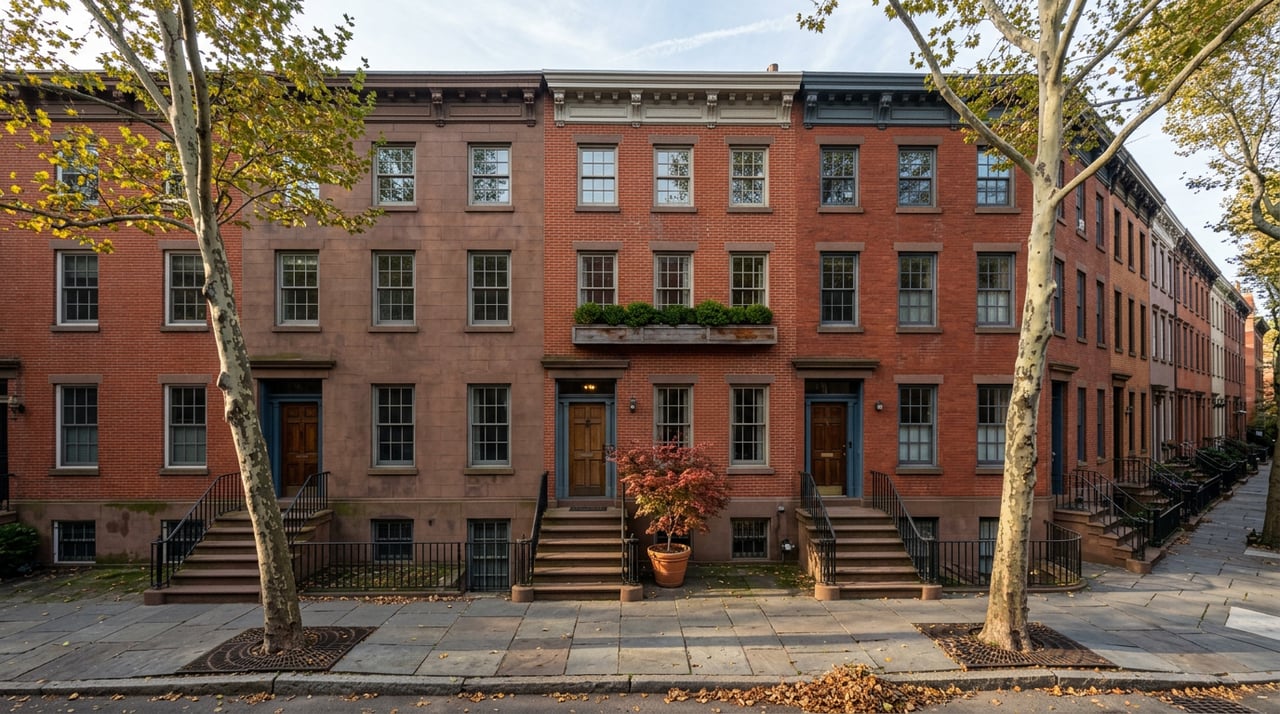
Hoboken and Downtown Jersey City do not share one condo profile, and that matters for how this law lands on each. Hoboken leans toward brownstone conversions and small elevator buildings in a compact, low-inventory market, the kind of building where a shared roof and a single boiler are enough to cross the $25,000 threshold and trigger the same reserve obligations as a much larger tower. Downtown Jersey City spans waterfront high-rises, Journal Square mid-rises, and converted multi-family buildings in the Heights, each carrying a different mix of shared systems and a different age profile relative to the 15-year structural inspection trigger. A building's size or its polish in a listing photo says nothing about which side of this law it falls on.
What to Ask For Before You Write an Offer
The paperwork that answers the reserve question is the same paperwork a buyer's attorney can request during New Jersey's attorney review period, before the deal becomes final.
- The current reserve study, including its stated funding percentage and whether it uses the new baseline method
- Two to four years of the association's financial statements, to see a trend rather than a single snapshot
- Six to twelve months of board meeting minutes, where upcoming projects get discussed before they become assessments
- Any 85 percent funding notice the board has already issued to owners
- The certificate of unpaid assessments once the unit is under contract
A reserve study that is only a couple of years old but still uses the pre-2025 glide path method is a sign the association has not caught up to what the law now requires, even if the fee on the listing sheet looks reasonable.
FAQ
Does the reserve law apply to small Hoboken buildings, or just large towers? Size alone does not exempt a building. Any condominium or cooperative is covered, and any planned real estate development with more than $25,000 in shared capital assets qualifies as well, which includes many small elevator buildings and brownstone conversions.
If a building already completed a reserve study, does it still need to comply with the 2025 update? Yes. A study completed under the original 2024 rules does not automatically satisfy the 2025 baseline funding standard. Associations have to confirm their existing study includes a 30-year plan that never projects a negative balance, or commission a revised one.
Can underfunded reserves affect whether a buyer can get a mortgage? They can. Fannie Mae and FHA both require condo projects to demonstrate adequate reserves as part of project approval, and a building that cannot show a current, compliant reserve study risks losing that lending eligibility, which affects every owner trying to sell, not just the one facing an assessment.
Reserve studies and board minutes read like paperwork until they explain a bill. Brenda Wolfe reviews that paperwork with Downtown Jersey City and Hoboken buyers before an offer goes in, not after. Let's talk about your next move. Schedule a consultation.