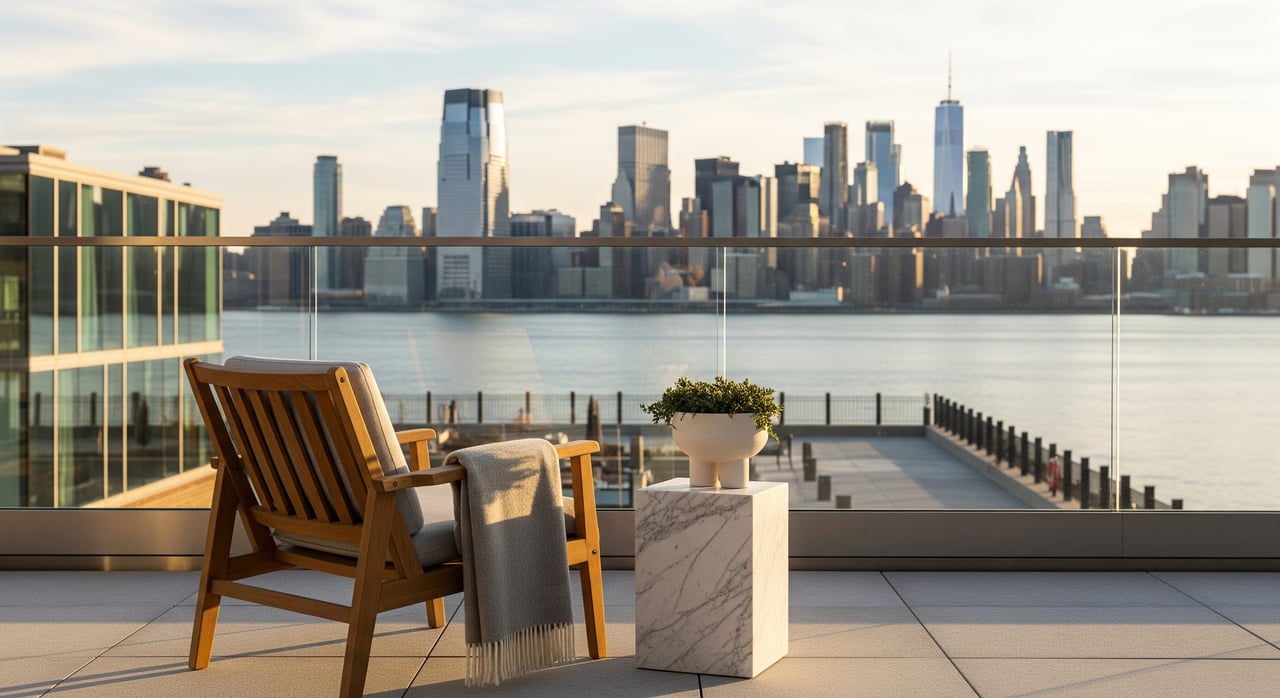
What if your morning commute came with skyline views, a river breeze, and a five-minute walk to coffee? If you are weighing a move to Jersey City’s waterfront, Paulus Hook offers an easygoing, walkable lifestyle with quick links to Manhattan. You want facts, not hype, so you can compare options and buy with confidence. This local guide walks you through everyday life, transit, condo types, costs, and flood readiness so you can decide if Paulus Hook fits your goals. Let’s dive in.
Why Paulus Hook stands out
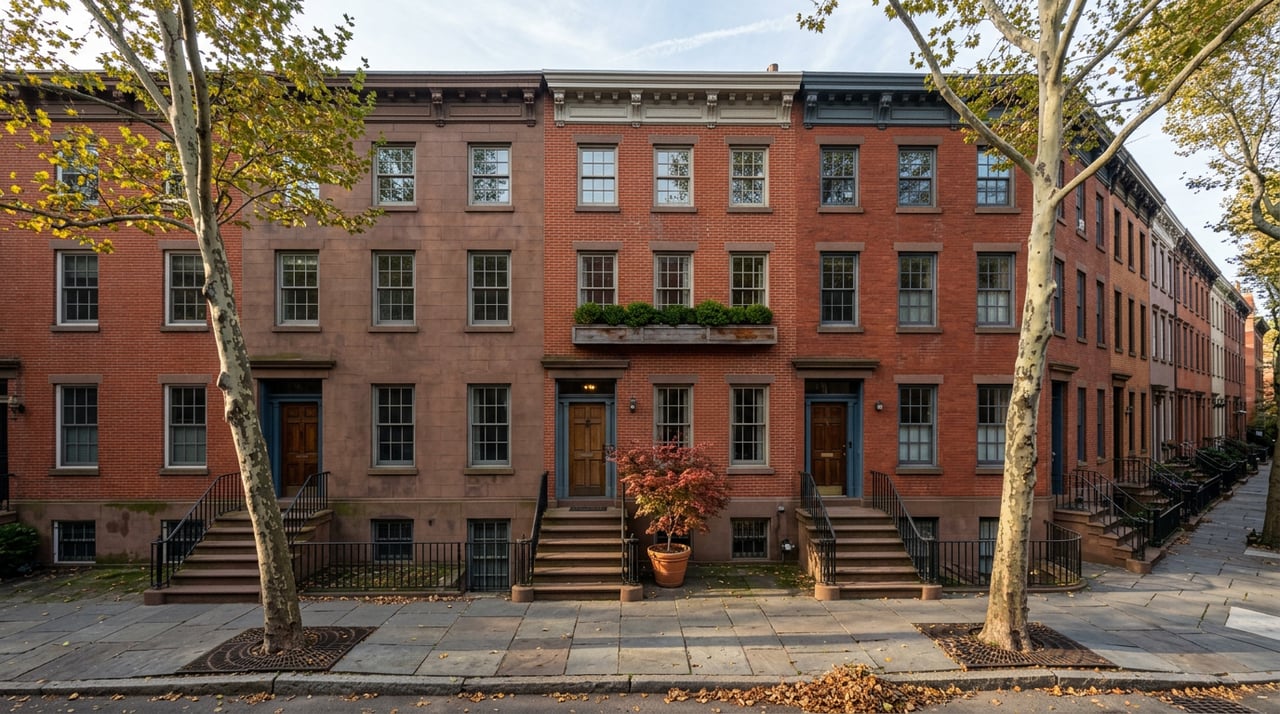
Paulus Hook sits on the Hudson River across from lower Manhattan. You will find a compact, walkable grid lined with historic rowhouses, mid-rise conversions, and modern high-rise condominiums. The streets feel neighborhood-scaled, with cafés, groceries, dry cleaners, fitness studios, and small parks close by.
Waterfront access is a major draw. The Hudson River Waterfront Walkway runs along the shoreline and is popular for walking, jogging, and biking. Benches, river views, and seasonal programming add to the daily rhythm, and larger open spaces are a short bike or stroll away in nearby waterfront areas.
Dining is easy and local. Expect a mix of casual cafés, bakeries, delis, and full-service restaurants for weeknights. Waterfront dining options show up near the promenades, while broader Downtown Jersey City and nearby Hoboken or Manhattan offer more fine-dining variety when you want it.
Commute options and getting around
Ferry to lower Manhattan
Paulus Hook’s ferry terminal offers a direct, scenic commute to downtown Manhattan. Operators like NY Waterway run reliable peak-hour service that many residents use for a comfortable ride and short total trip. Check NY Waterway ferry schedules for current timetables, pass options, and policies on bikes, pets, and weather.
Tip for buyers: time your door-to-dock walk and your ferry to office route during peak hours. It helps to test an evening return too, since schedules can shift seasonally.
PATH and Hudson-Bergen Light Rail
Many residents pair ferry options with the PATH and Hudson-Bergen Light Rail for flexibility. PATH typically offers frequent, lower-cost service compared with the ferry, though peak times can be crowded. Review PATH maps and advisories for routes into Manhattan and other New Jersey nodes.
The Hudson-Bergen Light Rail adds easy links along the waterfront and to nearby neighborhoods. Multimodal commuting is common, and having a backup route pays off during weather events or holidays.
Driving, parking, and biking
Driving into Manhattan involves tolls and congestion, so many locals choose transit for weekdays. Waterfront condos often include on-site garages or deeded spaces, though availability is limited and adds to total cost. If you cycle, look for secure bike storage and proximity to bike-friendly routes along the waterfront.
What condo living looks like
Building styles and ages
You will see a true mix: historic brick rowhouses and brownstones, mid-century mid-rise conversions, late 1990s to 2010s condo towers, and newer luxury glass buildings on the river. Building age influences everything from ceiling heights and layouts to mechanical systems and any flood mitigation updates.
Unit sizes and layouts
Expect studios, 1-bedrooms, 2-bedrooms, and 3-bedrooms, with larger units and penthouses in select buildings. Typical size ranges are approximate and vary by property: studios around 400 to 600 square feet, 1-bedrooms around 600 to 900 square feet, 2-bedrooms around 900 to 1,400 square feet, and larger units above 1,400 square feet. Newer buildings often favor open-plan living and kitchen areas, while some older conversions may have separate kitchens and cozier living rooms.
Amenities and services
Many waterfront buildings offer a concierge or doorman, on-site management, package rooms, and fitness centers. Roof decks or terraces with river views are common, and higher-end properties may include indoor or outdoor pools. Community lounges, business centers, guest suites, garages, and secured bike storage round out the amenity set. Pet policies vary, so check for any breed or size restrictions and related fees.
HOA structures and reserves
Condo and HOA fees cover building operations, staffing, insurance for common areas, and amenity upkeep. Fees vary based on unit size and amenity level. As a buyer, review recent reserve studies, any special assessments, and upcoming capital projects like roof, façade, or flood-resilience upgrades. A strong reserve plan supports the building’s long-term condition and marketability.
Costs to plan for on the waterfront
Price premium and resale dynamics
Waterfront units often command a premium due to views, lifestyle, and direct water access. The size of that premium depends on building, floor level, exposure, and unit condition. Resale demand tends to be strong among Manhattan commuters and lifestyle buyers, though premiums can move with broader market cycles.
Monthly carrying costs
Your monthly total usually includes mortgage, HOA fees, property taxes, and utilities. HOA fees are higher in buildings with extensive amenities. Compare assessed values and property taxes with your budget, and confirm whether heat or water is included in common charges. In older buildings, heating costs may be shared; in newer ones, in-unit HVAC is common and metered separately.
Rental and investment factors
The commute and waterfront setting attract renters, which can support investment demand. However, each association sets its own rules, and some restrict short-term rentals. When you run numbers, include HOA fees, taxes, insurance, estimated vacancy, and any property management costs so you have a clear view of net cash flow.
Flood risk and resiliency
Many Hudson River waterfront properties fall within FEMA-designated flood zones or areas exposed to storm surge. Lenders may require flood insurance, and premiums vary by building features and elevation. Before you buy, use the FEMA Flood Map Service Center to look up flood zone and base flood elevation.
Ask for building-level details, including any history of flood claims, location of mechanical systems, and whether the property uses measures such as elevated equipment, flood vents, wet or dry floodproofing, or raised electrical panels. Also inquire about large-scale municipal resilience projects that could affect long-term risk and insurance costs. Factor these items into your holding costs and your resale outlook.
How to choose the right building
Start with lifestyle priorities
- Do you want direct river views and a short ferry commute more than the lowest price per square foot?
- Will you use a gym, pool, or doorman enough to justify higher HOA fees?
- How important is immediate access to outdoor space such as a balcony, roof deck, or nearby parks?
Ask targeted building questions
- Which flood zone is the building in, and has it experienced flooding?
- Are critical systems elevated above potential flood levels?
- What capital projects were completed recently, and what is planned next?
- What is the reserve fund status and history of special assessments in the past 5 to 10 years?
- What are the HOA rules for subletting, short-term rentals, and pets?
- How is parking handled, and what are the associated costs?
- What are typical monthly carrying costs including utilities and any assessments?
Evaluate unit-level details
- Floor level and exposure influence light, views, and pricing. Higher floors usually command a premium.
- Sun orientation affects comfort and energy use, especially in glass towers.
- Storage, layout efficiency, and noise control matter day to day. Visit at multiple times to gauge ferry, walkway, and nightlife sound.
Compare across the waterfront
- Commute time and mode reliability between ferry, PATH, and light rail
- Flood-zone classification and insurance implications
- HOA fees versus amenity level
- Price per square foot and typical view premiums
- Walkability to groceries, restaurants, and green space
- Nearby development that could affect views or neighborhood feel
Everyday life tips
- Commute smart. Test both the ferry and PATH or light rail to see what fits your schedule and budget. Keep a backup route for weather days.
- Embrace the walkway. Early morning and late afternoon are great times to enjoy quieter paths and the best light on the skyline.
- Plan for seasons. Waterfront living can be breezier and cooler, which is great in summer but may feel windier in winter. Building insulation and window quality make a difference.
- Mind the weekends. Ferry and PATH traffic can raise foot traffic at certain times, which brings energy and convenience for dining but may affect noise depending on your block.
Work with a local advisor
Choosing the right condo on the Paulus Hook waterfront comes down to balancing transit, amenities, costs, and resilience. You deserve clear answers and a smooth process from search to closing. If you want a boutique, high-touch experience and neighborhood expertise backed by modern marketing tools, connect with Brenda Wolfe. Let’s talk about your next move — schedule a consultation.
FAQs
Is ferry noise an issue on the Paulus Hook waterfront?
- Noise varies by block and building orientation. Ferry and marina activity tends to be limited, especially off-peak, and building soundproofing matters. Visit at different times to assess.
Are waterfront condos more expensive to maintain in Jersey City?
- Often yes. Saline air can increase exterior wear, high-amenity buildings have higher HOA fees, and flood insurance or resilience upgrades can add cost in designated zones.
How reliable is the Paulus Hook to Manhattan ferry?
- Ferries are generally reliable during weekday peaks but can face weather-related cancellations or delays. Most commuters keep a PATH or light rail backup for important appointments.
Do river views help with resale value?
- Views and waterfront access are strong value drivers, but long-term resale also depends on flood risk perceptions, building upkeep, and wider market conditions.